Fit Together Highlights
Welcoming New Members
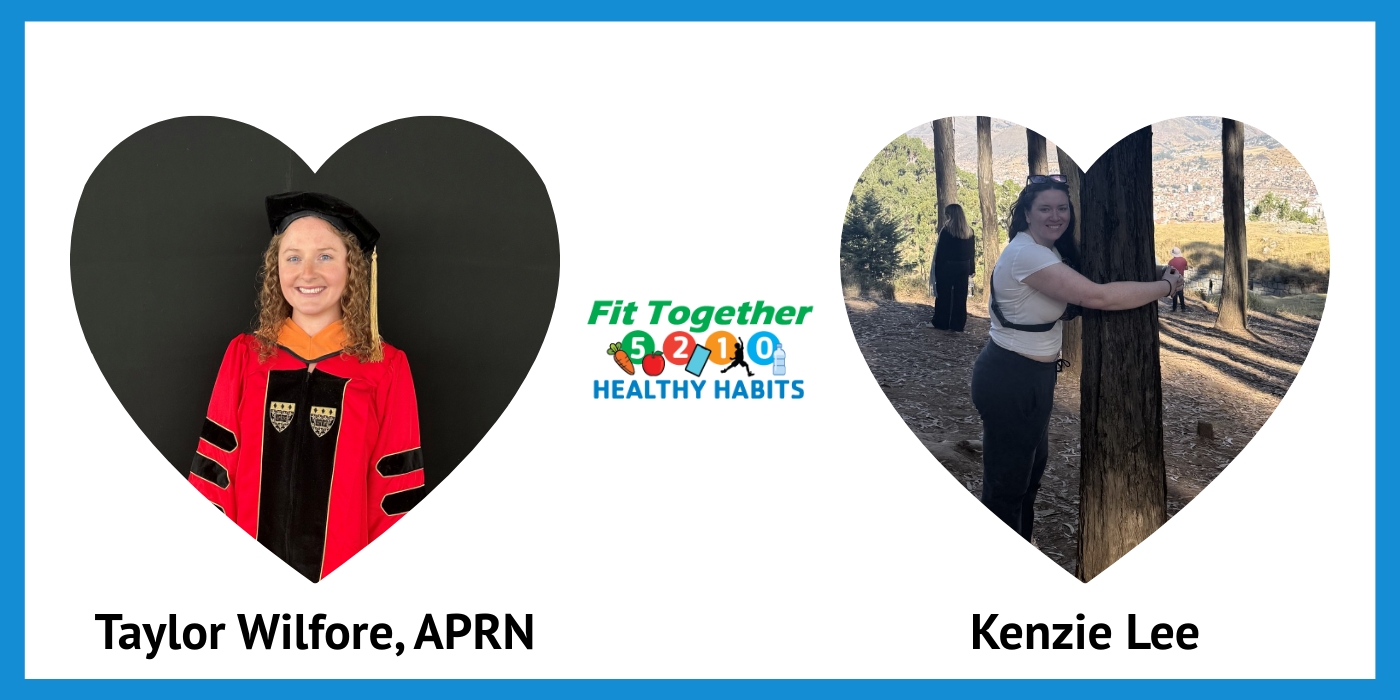
We are excited to welcome two new Steering Committee Members to Fit Together. Each of our members brings a unique perspective on how to improve the health of our Northwest Connecticut community. These newest members are brimming with enthusiasm and expertise!
First up is Taylor Wilfore, a pediatric nurse practitioner who recently joined Community Health and Wellness as a school-based health center APRN for Torrington Public Schools. In addition to her passion for supporting the health of our youth, Taylor is a fan of fitness, having completed her first Olympic triathlon last year.
Next, we have Kenzie Lee, the new recreation program coordinator for Torrington Parks & Recreation. She is also a fitness fan who enjoys weightlifting, volleyball, and yoga. We know she will bring lots of heart and creativity to her busy role and to our collaborative.
We are grateful to have Taylor and Kenzie on board! Learn more about our Steering Committee here.
Kids’ Corner – 6 Pillars of Health
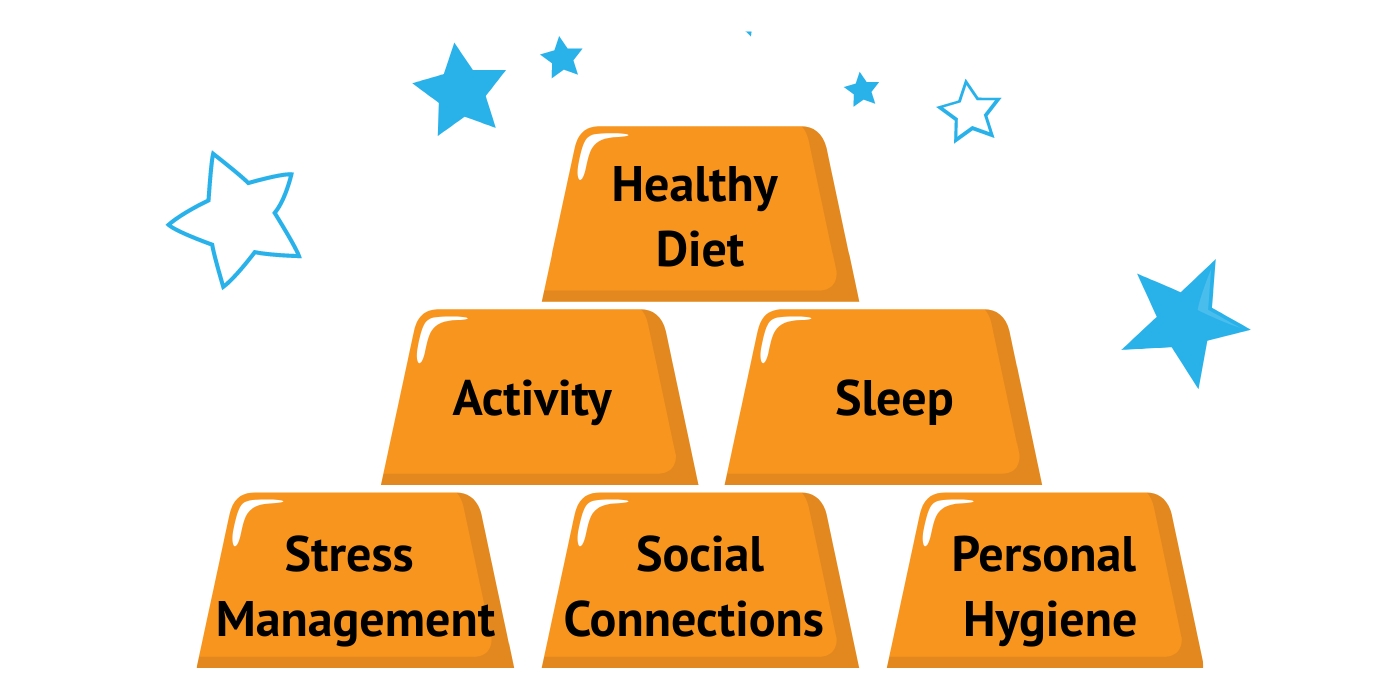
Last month, we covered the basics of helping kids build healthy habits. This month we expand on that important topic by exploring 6 pillars that form the foundation of a child’s (and adult’s) well-being.
By teaching your child the importance of these areas, you provide them with greater balance and resilience that will support them physically and mentally. Each of these pillars includes many smaller habits that contribute to overall health. The suggested resources will help get you started.
- Healthy Diet – A balanced diet filled with a variety of nutrients is essential for a growing child’s body and mind. Suggested Resources: Our 5 Fruits and Vegetables page and Recipes & Cooking page offer healthy diet resources.
- Daily Activity – Daily physical activity supports a strong, lean body, while also improving a child’s coordination, balance, confidence, and mood. Suggested Resource: Check out our Physical Activity page for tips and resources.
- Adequate Sleep – A growing child needs LOTS of sleep – an average of 10 hours per night depending on age. All that extra shut-eye helps cells to regenerate and improves mood and alertness. Suggested Resource: A guide from the Mayo Clinic, Is Your Child Getting Enough Sleep?
- Stress Management – Stress is a challenge for all ages! Learning healthy coping mechanisms and stress management tools early in life can lead to greater happiness and resilience for our kids. Suggested Resource: From the American Psychological Association, How to Help Children and Teens Manage Their Stress
- Social Connections – It takes a village! We all need the support of others. Friends, family members, neighbors, and even pets all provide much-needed connection for kids. Make spending quality time with your child a priority, while also encouraging greater interaction within their community. Suggested Resource: From the Connecticut Office of Early Childhood, Key Strategies to Build Social and Emotional Competence
- Personal Hygiene – Good hygiene practices are essential for preventing illness. Teaching your child basics, like washing their hands before meals and after using the restroom and brushing their teeth after eating and before bed, supports a child’s immune system and overall health. Suggested Resource: A guide from Connecticut Children’s Personal Hygiene Milestones: A Guide for Parents
For more support on all these pillars of health, see Parenting: Teaching Your Child Healthy Habits from UNICEF.
Worksite Wellness Tip – Heart Health for Black Americans

February brings us both Black History and American Heart Month. What do these two themes have in common?
While heart disease is the number one cause of death in the U.S., Black Americans are at an even greater risk. It is especially important that we share information and resources to address this issue both in the workplace and in our community.
Heart Health in Black Americans
Following are some helpful guides explaining the unique challenges of heart health for Black individuals:
- Matters of the Heart – an article from Oprah.com addressing heart health in Black women.
- Black People, Heart Disease and Stroke – up-to-date information from the American Heart Association.
- Facing higher risk, here’s what Black Americans should know – and do – about their heart health – Tips and information from VCU Health of Virginia.
Heart Health Resources
Additional heart health resources include:
- American Heart Month Communications Toolkit – includes printable handouts from the CDC.
- Heart Health Nutrition Resources – heart-healthy diet basics from Nutrition.gov.
- Healthy for GoodTM – healthy recipes and sharable infographics from the American Heart Association.
Healthy Recipes – African Heritage Recipes

The African Heritage Diet is based on simple, unprocessed foods that are naturally heart-healthy and economical too. In honor of Black History and American Heart Month, February’s healthy recipes and resources come from Oldways Cultural Food Traditions. This nonprofit organization celebrates healthy foods based on cultural eating traditions.
Easy African-Inspired Recipes
- Black Bean and Walnut Koftas – a nutritious alternative to meat that is less expensive and easy to whip up in a food processor.
- Vegetable Mashed Potatoes – a heartier, veggie-rich version of one of our favorite comfort foods.
For more information, check out the African Heritage Diet Overview or the printable African Heritage Diet [PDF].
Want to subscribe to this newsletter?
To get this newsletter delivered to your in-box, just enter your email in the box below where it says “Join Our Newsletter.”